

How Influencers are shaping Hospitality and Tourism and what you need to look out for!
In the last decade, the way people discover new destinations has transformed almost entirely. Gone are the days when glossy travel agency brochures, static hotel websites and Online Travel Agencies (OTA’s) were the main source of inspiration.
Now, a single Instagram reel, YouTube vlog, or TikTok clip can catapult a previously unknown island, boutique hotel, or tour operator into the spotlight – Overnight.
For many in the tourism and hospitality sector, this new landscape offers unprecedented opportunities for exposure. But with opportunity comes risk – and the influence of social media can sometimes cut both ways.
A heartfelt endorsement can fill rooms and beaches. A careless comment or calculated smear can empty them just as quickly.
The Power of Influence in Tourism
How Influencers Drive Tourism Growth
May 2025’s Beyond the Booking by impact.com shows that influencers are reshaping how APAC travelers discover, and book their vacations and trips:
- 52% of Chinese travelers said they made a booking in the past year due to an influencer’s recommendation.
- 27% in Singapore and 14% in Australia reported the same.
- Half of Chinese respondents (51.75%) say they would try a new travel product or service based on influencer content.
- 63% of Singaporeans, 68% of Australians, and 75% of Chinese consumers said they trust influencer content when planning travel.
A single feature from a luxury travel vlogger has been known to fill the booking calendar of a boutique hotel months in advance, all without the property spending heavily on traditional advertising.
So, it stands to reason that when an influencer with a large, engaged following shares their travel experiences, the ripple effect can be immediate and measurable.
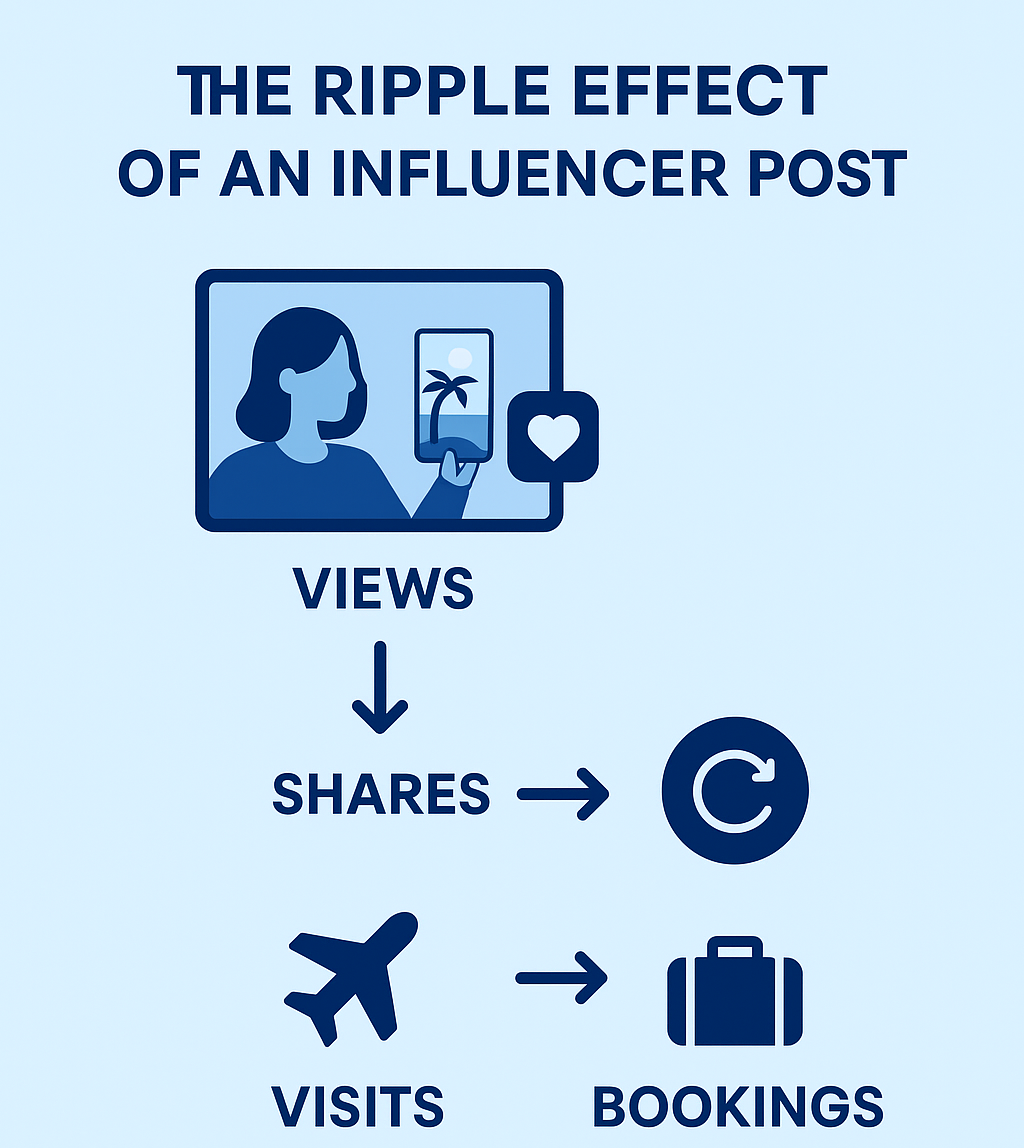
Take Siargao Island as an example. Known primarily to surfers and a handful of local tourists before 2015, Siargao exploded in popularity after vloggers and Instagram travel accounts began showcasing its surfing opportunities, beaches, crystal lagoons and laid-back island lifestyle.
Posts tagged with #Siargao started to multiply, and within a few years, visitor numbers had increased – along with business opportunities for new hotels, restaurants and tour operators.
This phenomenon is not unique to the Philippines. In Iceland, the increasing rise in winter tourism has been fueled by influencers and photographers posting images of the Northern Lights and blue ice caves. And Santorini, Greece sees 3.4 million tourists on average each year. The island, with a population of only 15,000 people, experiences significant tourist influx, particularly during the peak summer months.
Benefits to Hotels and Tour Operators
When done well, influencer collaborations can:
- Provide global reach without the price tag of a full Ad campaign.
- Target specific traveler demographics—luxury, adventure, eco-tourism—more precisely than traditional media.
- Offer authentic storytelling through photos, videos, and personal narratives.
Hotels and tour companies often report spikes in bookings immediately after being featured in a high-engagement post, proving just how valuable authentic endorsements can be.
The Dark Side of Influencer Tourism
Negative Impact on Destinations
The influx of tourists driven by viral content can overwhelm local infrastructure and disrupt communities—a phenomenon known as overtourism.
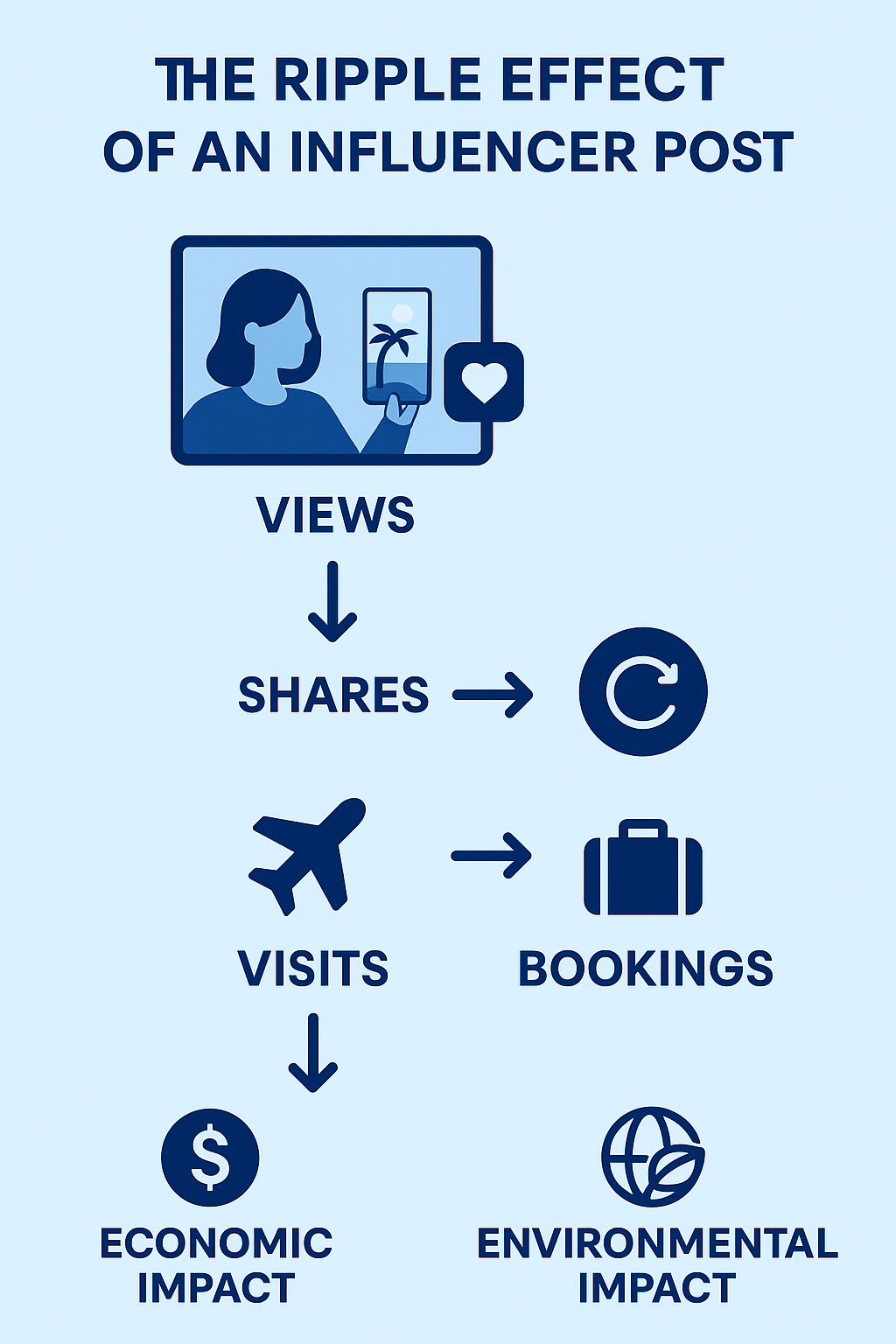
While Siargao benefited economically from its newfound fame, it also faced challenges: an already overstretched infrastructure, environmental strain on lagoons and beaches, rising costs for locals, and overdevelopment in coastal areas.
When Boracay Island was suddenly closed for Rehabilitation in 2018 Siargao became top of the destination list – and it was just not prepared for the additional influx of Boracay’s usual Labor Day Weekend tourists.
Many will remember the posts showing queues of tourists waiting for transportation, or camping in basketball courts as hotels were fully booked. Posts from injured tourists complaining about the distance to the nearest ER facility, and complaints from locals about the trash left by tourists at beaches, lagoons and roadsides.
Irresponsible or Malicious Influencing
And social media power can also be weaponized. One notable example occurred in Boracay this year.
Before wreaking havoc in BGC Manila, detained Vlogger Vitaly Zdorovetskiy encouraged his online Kick followers to leave negative reviews on a Boracay Kiteboard Instructors Facebook Business account.
This came after the instructor was captured live giving the openly mocking Vitaly, a polite dressing down for challenging and ridiculing his mandatory instructions and safety guidelines session. The flood of low ratings damaged the instructor’s reputation online and threatened his livelihood. The instructor has since filed a case against Vitaly, who is facing charges of Unjust Vexation (three counts), Theft, and Public Harassment for his antics in Manila.
Another example is of a travel blogger who publicly blasted the luxury Escala Hotel, Tagaytay with a “Thanks Escala for the seen zone”, after not getting an immediate agreement sign-off, from the manager, to a collaboration proposal sent at midnight.
With an increase in lavish compensation or incentivized demands in exchange for one post, reel or story, or one too many threats of negative reviews in an attempt to negotiate free perks, some hotels have publicly blacklisted influencers entirely.
White Banana Beach Club in Siargao, famously made their position clear back in 2019, stating publicly that they were not interested in collaborating with “self-proclaimed influencers” seeking free stays in exchange for social media promotion.
Other instances of irresponsible influencing, include influencers staging dangerous photos – such as climbing restricted monuments or disturbing wildlife – to gain likes.
Think – the recent video shared across social media platforms of a female tourist in Hawaii ignoring the prominent signs and barriers erected by NOAA Fisheries, to walk among endangered sea turtles laying their eggs, just so she could get close up photos.
When Influencers Lie
Sometimes, the issue is not influencer recklessness but deliberate deception.
A family-owned hotel on Boracay, which is a two-minute walk from White Beach, was targeted by a TikTok vlogger in June 2025. The visibility of the vloggers initial post, with the “Rage Bait” title – “Worst And Not Recommended Hotel in Boracay” was further boosted by a host of comments and replies from his vacation companion, and their followers.
The vloggers motive appears to be focused on generating reactions, engagements and follower growth. The accusations in his TikTok post, and the subsequent posts that followed, were deceptive at best and – in many cases – entirely fabricated. One claim, that the hotel described itself as beachfront – “Online Booking Site States Beachfront”, was immediately refuted by the hotel owners, with verifiable evidence taken from each OTA listing, and the hotels own website.
These examples highlight how – when amplified online – a personal grievance or a calculated Rage Bait post to grow followers and likes, has the potential to devastate a small business.
The damage from such falsehoods can linger for years, eroding trust between businesses and the online personalities they might otherwise collaborate with.
How the Hospitality Industry is Responding
Tourism boards, hotel chains, and independent operators are adapting to this influencer collaboration reality in several ways:
- Written Agreements – Collaborations now often involve contracts specifying what content will be produced, deadlines, and truthfulness requirements.
- Vetting Influencers – Checking engagement quality, past controversies, and reputation before agreeing to host them.
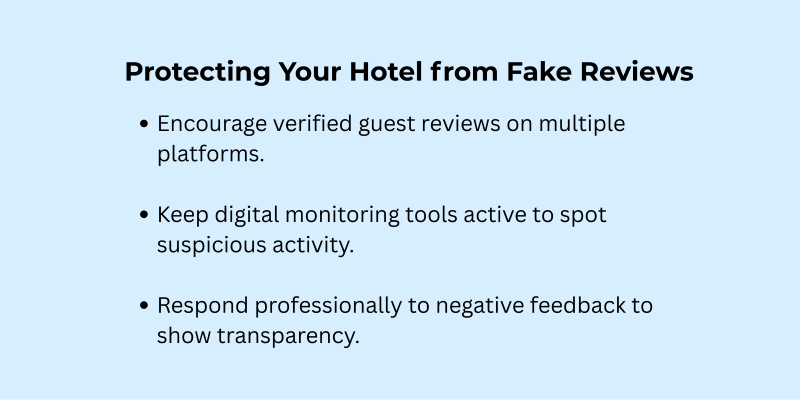
- Encouraging Real Guest Reviews – Leveraging user-generated content from paying customers to counterbalance influencer narratives.
- Legal Action – In some cases, hotels have pursued defamation lawsuits against influencers who spread false claims.
By becoming more selective, the industry aims to protect itself while still benefiting from authentic partnerships.
Ethical Travel Influencing: Best Practices
For influencers:
- Be Transparent – Disclose when a stay or tour is sponsored.
- Be Honest – Share genuine impressions, both good and bad, without exaggeration.
- Be Respectful – Follow local laws, respect cultural customs, and avoid environmental harm.
For businesses:
- Choose Wisely – Collaborate with influencers whose values and audience match your brand.
- Set Clear Expectations – Avoid ambiguity to prevent misunderstandings.
- Monitor Results – Track engagement and booking data to measure ROI.
Some influencers have built reputations for authenticity and responsibility—earning the trust of both audiences and industry partners. Their success shows that ethical practices can still yield strong results. See:
- The Travel Club’s 6 Women Influencers & Content Creators you should follow
- Later’s Top 15 Travel Influencers in 2025 to Follow on TikTok, Instagram, and YouTube
Finding the Influencer Balance
Influencer marketing has become one of the most powerful tools in modern tourism promotion. It can bring once-hidden gems into the spotlight, transform the fortunes of small hotels, and inspire travelers to explore beyond their comfort zones.
Yet, the same tool can damage reputations, overwhelm fragile ecosystems, and mislead millions if used irresponsibly.
For the tourism and hotel industry, the goal is clear: embrace the opportunities, guard against the risks, and foster a culture of authenticity.
For influencers, the challenge is equally important—recognise the responsibility that comes with influence, and ensure that when the world follows your footsteps, it’s a path worth treading.

